711 Park Avenue Northwest
Willmar, MN 56201
info@miles4mentors.org


Cabin Fever Cure: Helping Kids Move and Connect Indoors
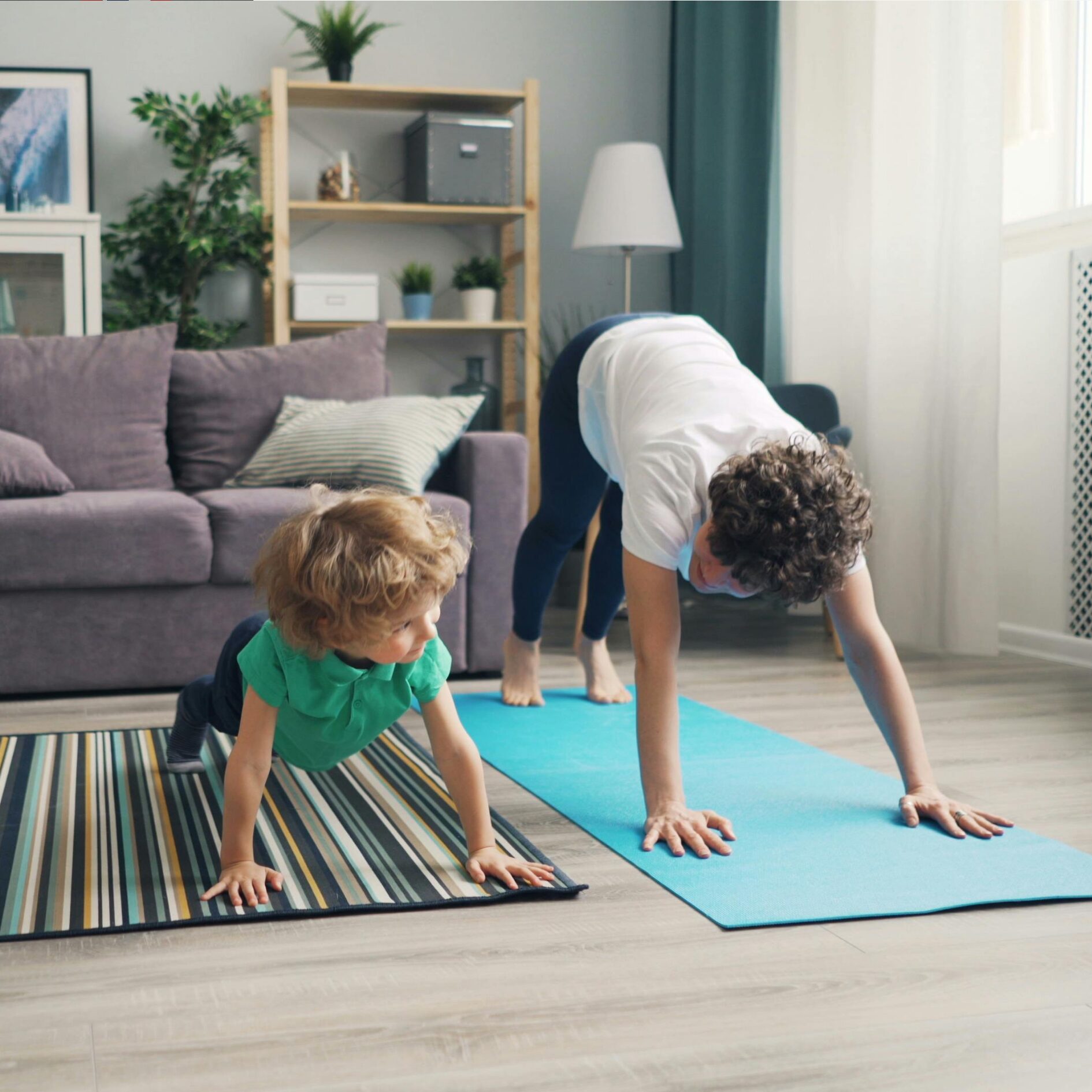
When winter hangs on a little too long or the weather keeps families inside, kids feel it first. Their bodies want to move, explore, and burn off energy, but the walls start to feel closer each day. Cabin fever is real, and it affects more than just physical activity. It can change a child’s mood, motivation, and sense of connection. At Miles 4 Mentors, we see movement as a tool for confidence and well‑being, not just fitness. Indoor days are a chance to reinforce that idea in simple, meaningful ways.
Movement Does Not Need to Be Complicated
Many families assume that staying active indoors requires equipment, space, or a complicated plan. The truth is much easier. Kids respond best to short, playful bursts of movement that feel natural and self‑directed. When activity feels like a break instead of a chore, they return to their day with more focus and better spirits.
One of the most effective strategies is building ten‑minute movement breaks into the rhythm of the day. These breaks work especially well after screen time, when kids often need a reset. A few minutes of movement helps their bodies wake up again and gives their minds a chance to shift gears.
Let Music Lead the Way
Music is one of the simplest ways to make these breaks fun. A favorite song can turn a living room into a dance floor or a hallway into a runway. Kids do not need instructions or rules. They need permission to move in the way that feels right to them.
When they choose the music and lead the activity, they take ownership of the moment. That sense of choice matters. It builds confidence and encourages them to listen to their bodies. Some kids will dance, some will stretch, some will jump, and some will simply sway. All of it counts.
Movement Creates Connection
Indoor movement also creates opportunities for connection. Parents and caregivers can join in, even briefly. A shared dance break or a silly challenge can shift the tone of the entire day. These moments remind kids that movement is not just exercise. It is a way to feel good, laugh together, and release stress.
For families with multiple children, letting each child take a turn choosing the activity keeps everyone engaged and gives each child a chance to lead.
Every Child Moves Differently
Not every child responds to the same type of movement, and that is completely normal. Some kids prefer quiet, focused activities like yoga poses or balance challenges. Others want high‑energy bursts like running in place or jumping jacks. The goal is not to push kids toward a specific type of exercise. The goal is to help them discover what feels good in their own bodies. When movement is tied to joy instead of pressure, kids are more likely to stay active throughout the year.
Small Habits Build Long‑Term Confidence
Indoor days are also a chance to build small habits that support long‑term well‑being. Families can create a simple routine that signals when it is time to move. It might be a certain song, a timer, or a shared phrase like “movement break.” Kids respond well to consistency, and these cues help them understand that movement is a normal part of the day. Over time, these habits become second nature, and kids begin to recognize when their bodies need a break.
Simple Games Keep Kids Engaged
For families who want more structure, there are plenty of ways to turn movement into a game. A deck of cards can become a movement challenge, with each suit representing a different activity. Tape on the floor can create a hopscotch path or a balance line. Pillows can become stepping stones. None of these ideas require special equipment. They simply invite kids to use their imagination and their bodies at the same time.
Turning Cabin Fever Into Opportunity
Cabin fever can feel overwhelming, but it does not have to derail a family’s routine. Indoor movement is a powerful tool for helping kids stay grounded, confident, and connected. It reminds them that their bodies are built to move, even when the weather keeps them inside. It also reinforces the message at the heart of Miles 4 Mentors. Movement is not just about physical fitness. It is about joy, resilience, and the belief that every child deserves the chance to feel strong and capable.
As families wait for brighter days and outdoor adventures, these small indoor moments matter. They help kids release energy, reset their minds, and reconnect with the people around them. Most importantly, they show kids that movement can happen anywhere. A living room, a hallway, or a bedroom can become a space for growth and confidence. With a little creativity and a willingness to let kids lead, indoor days can become an opportunity instead of a challenge.